
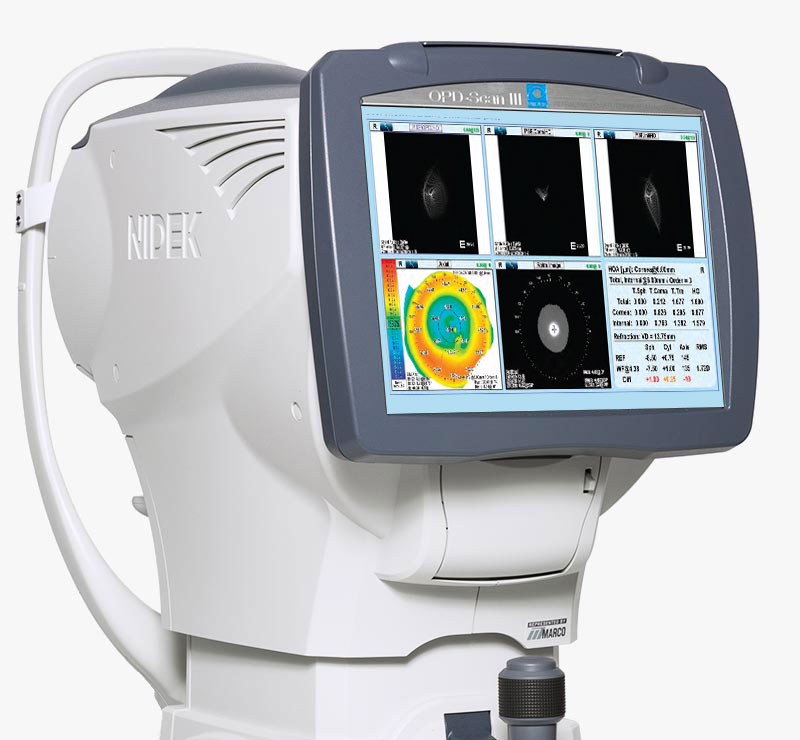
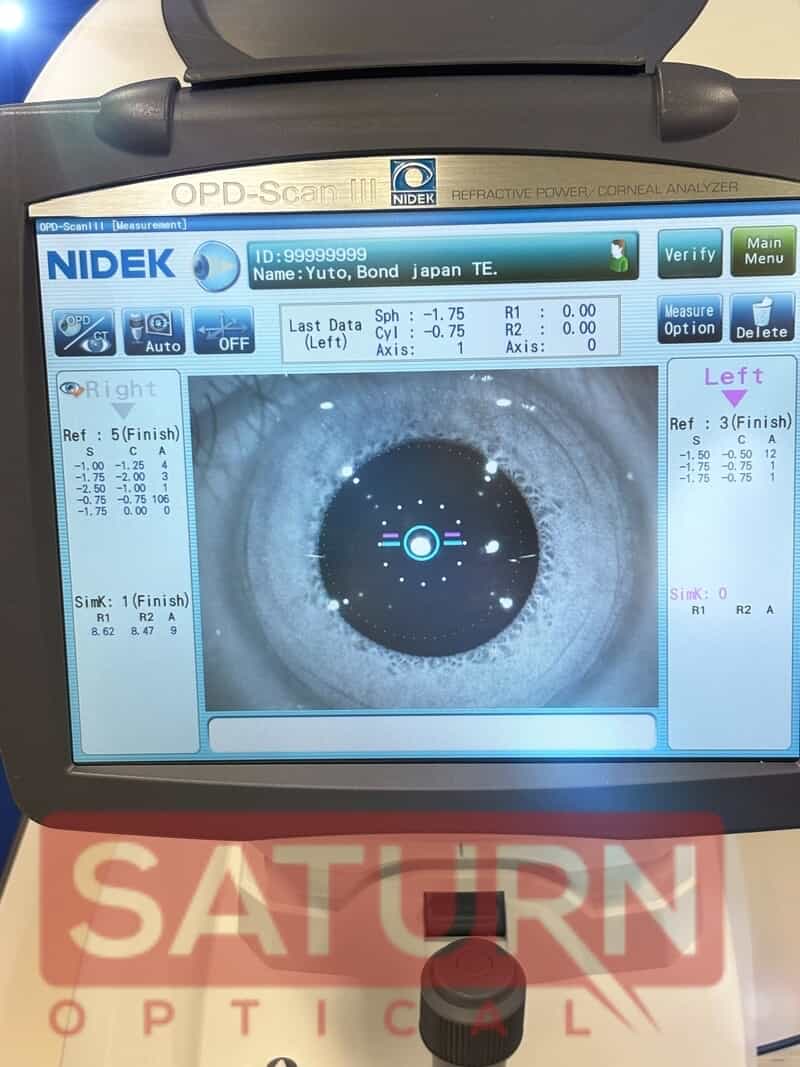
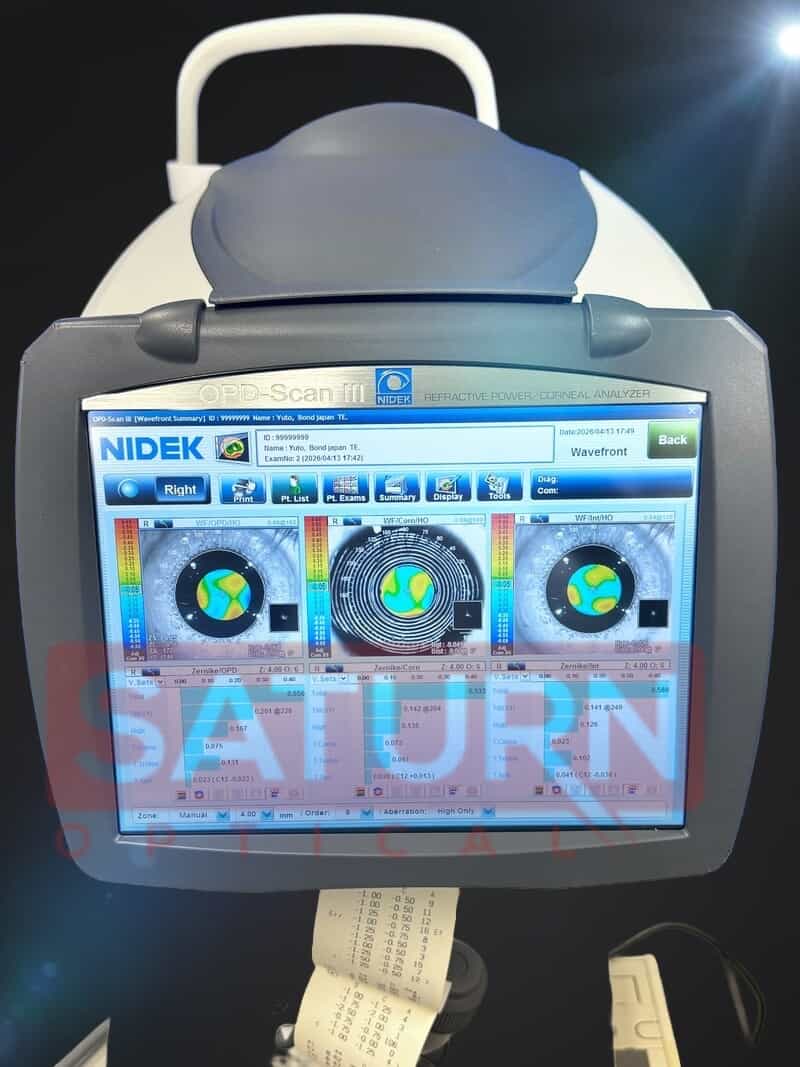
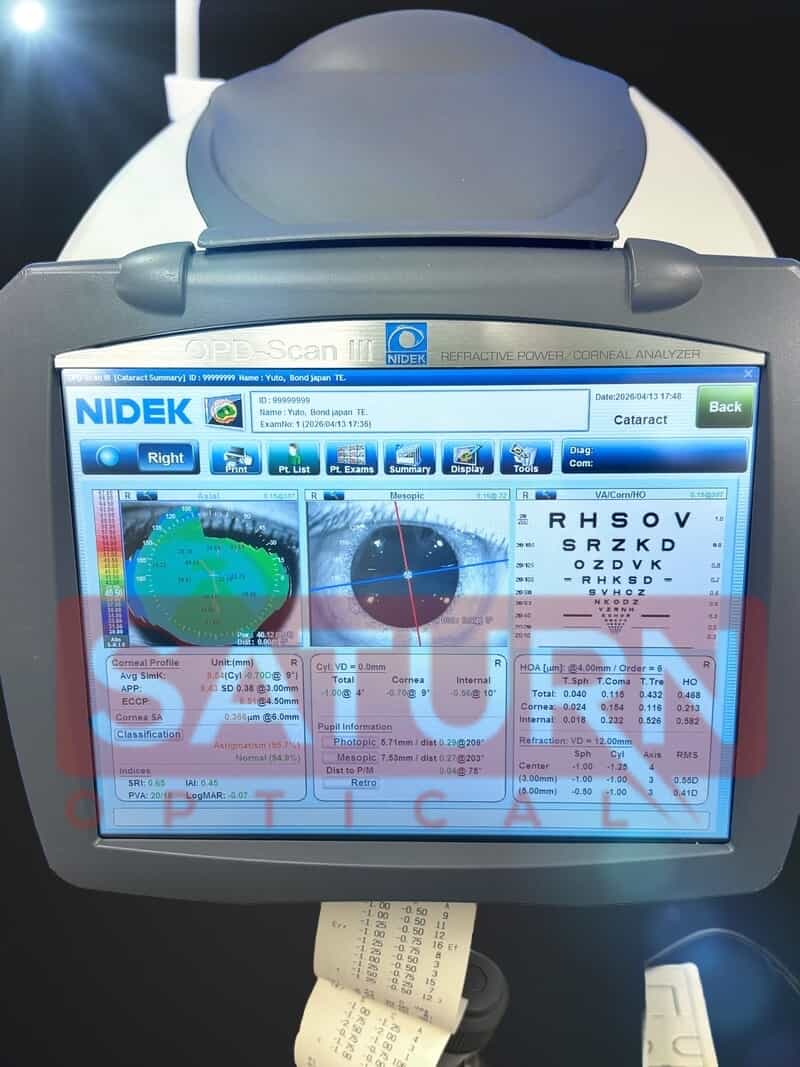
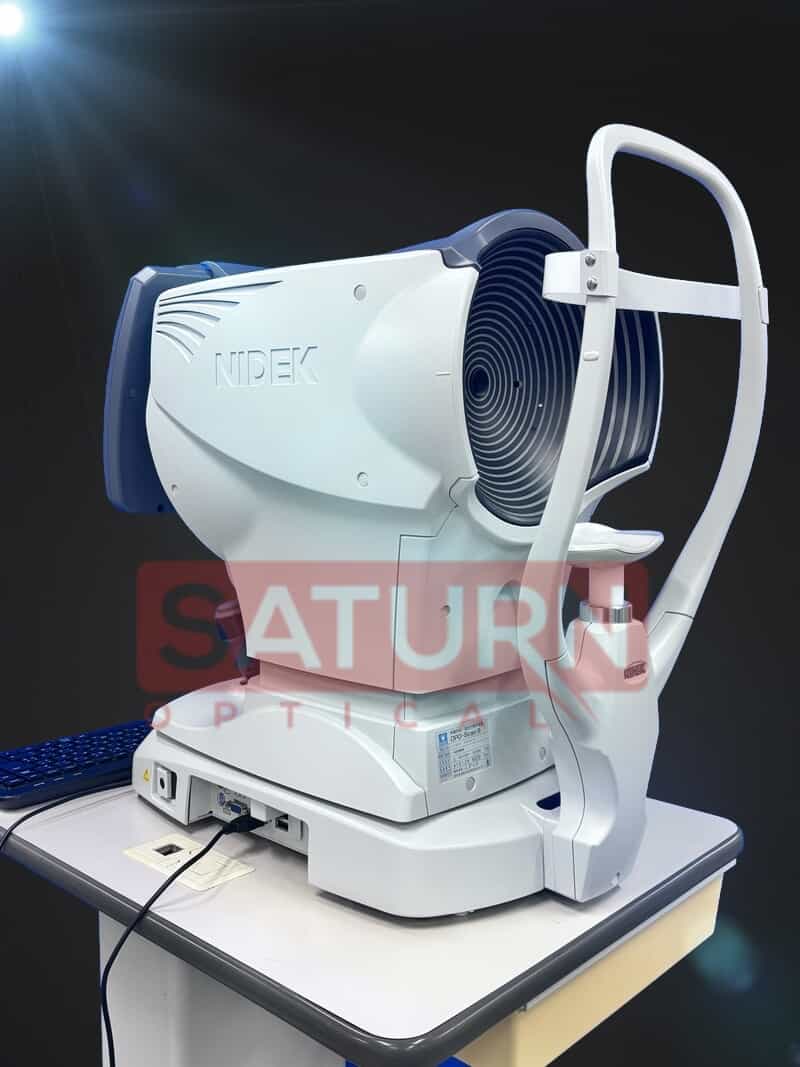
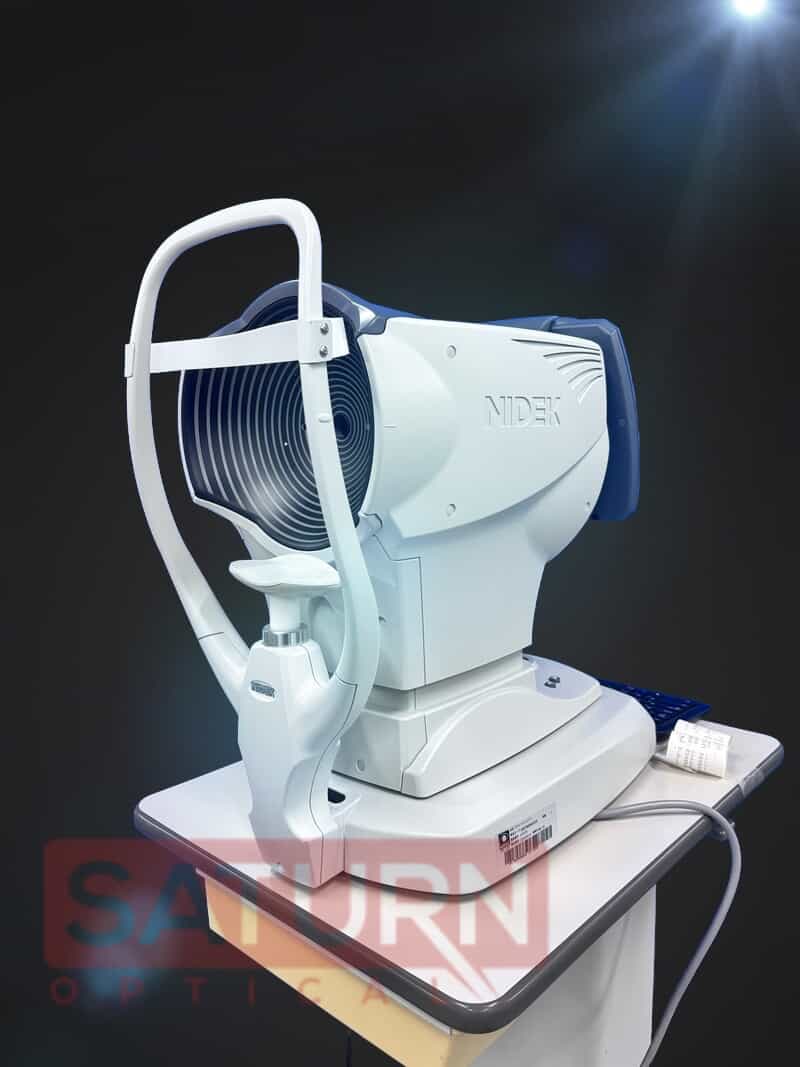
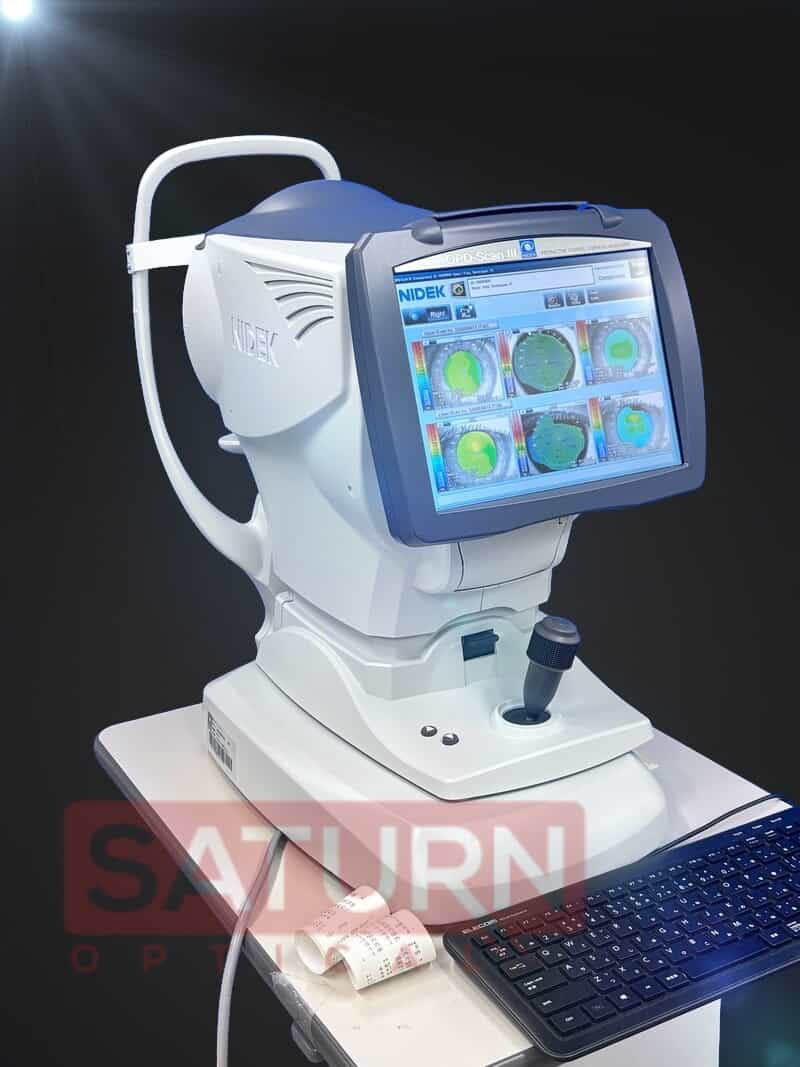
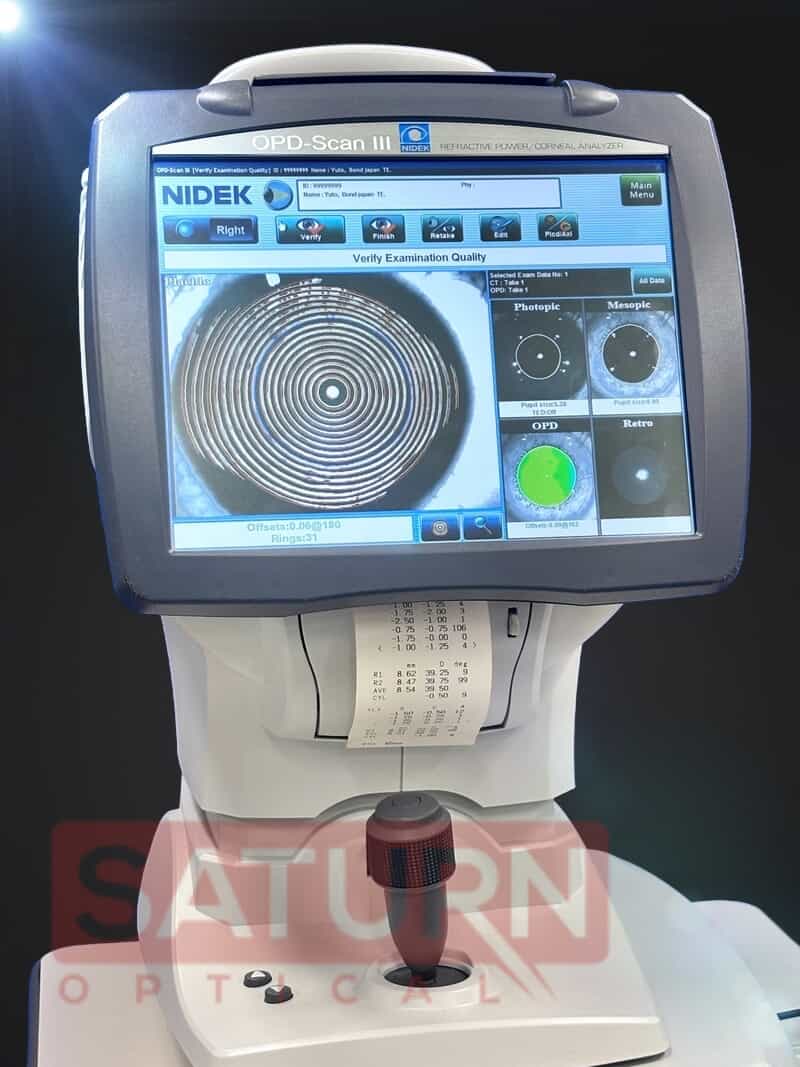
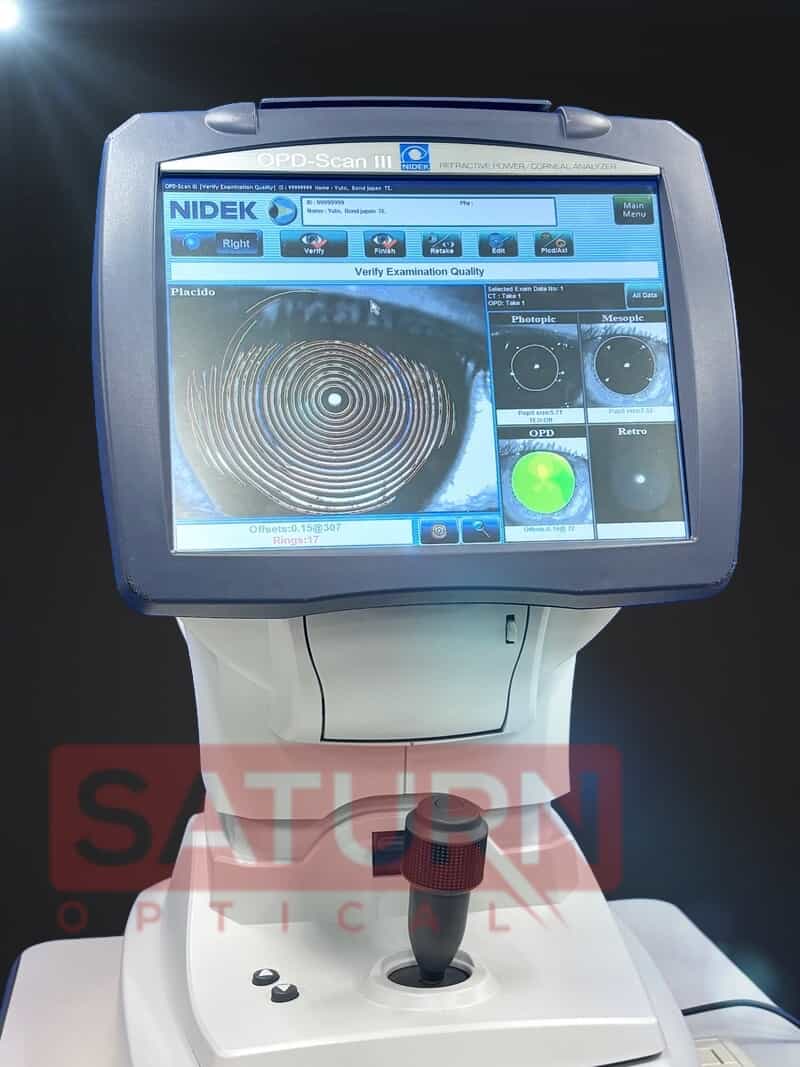
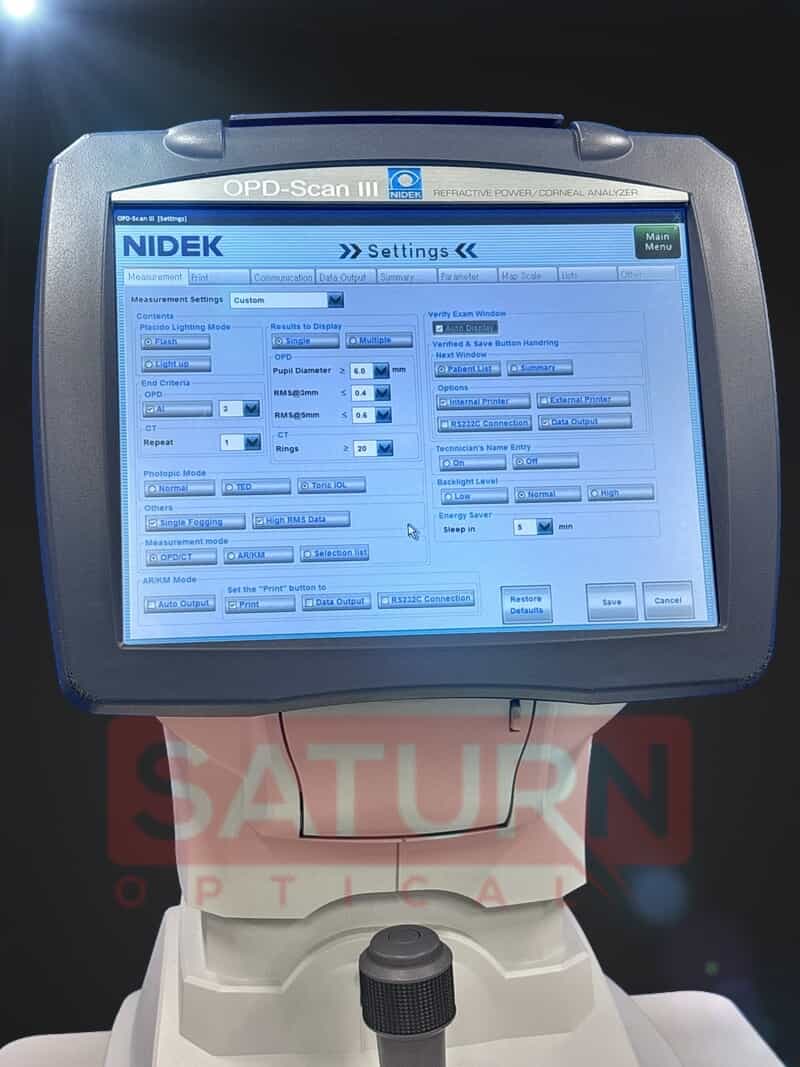
OPD-Scan III Refractive Power/Corneal Analyzer from Marco / Nidek
Original price was: $15,666.00.$9,666.00Current price is: $9,666.00.-38% OFF
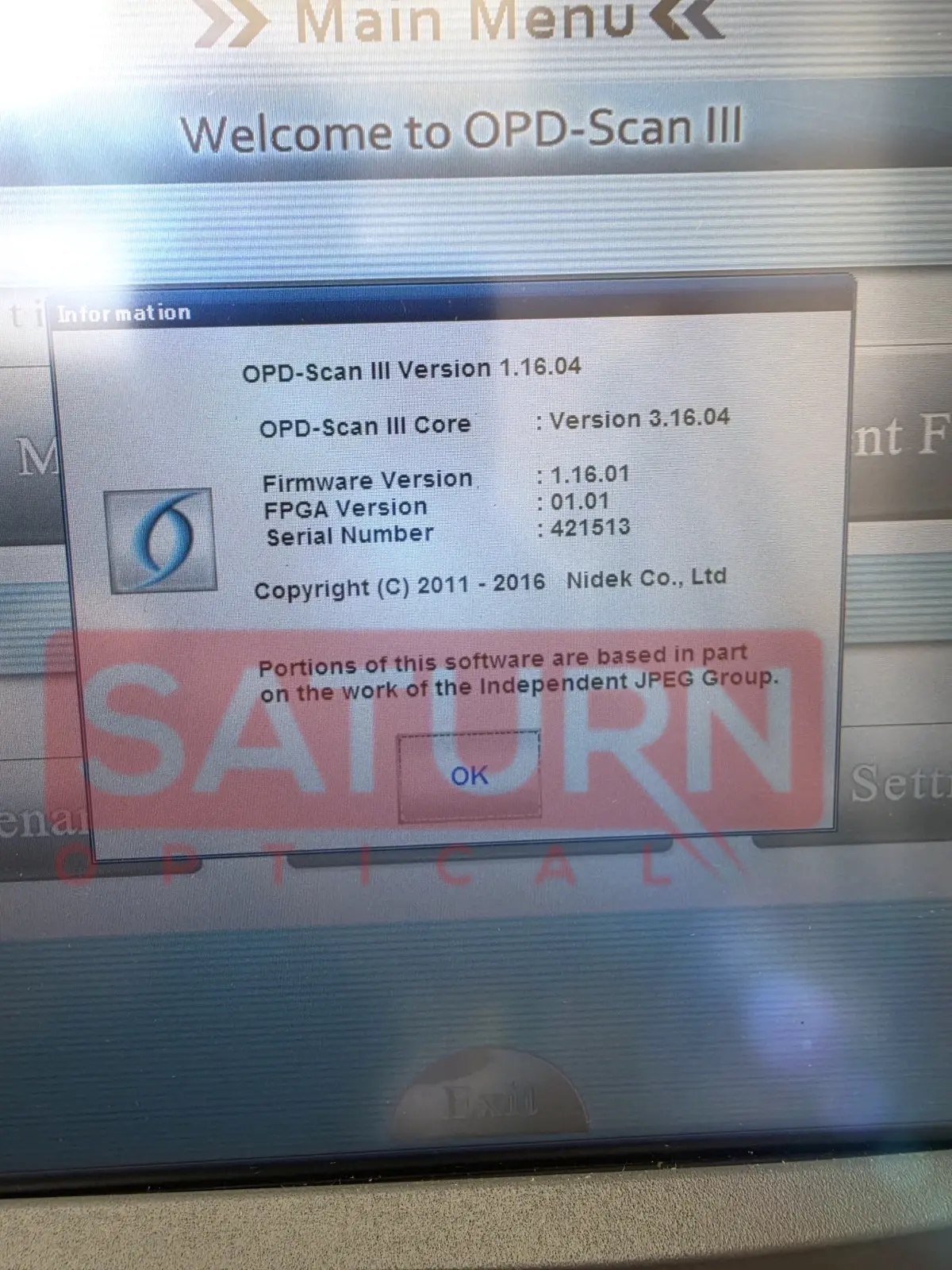
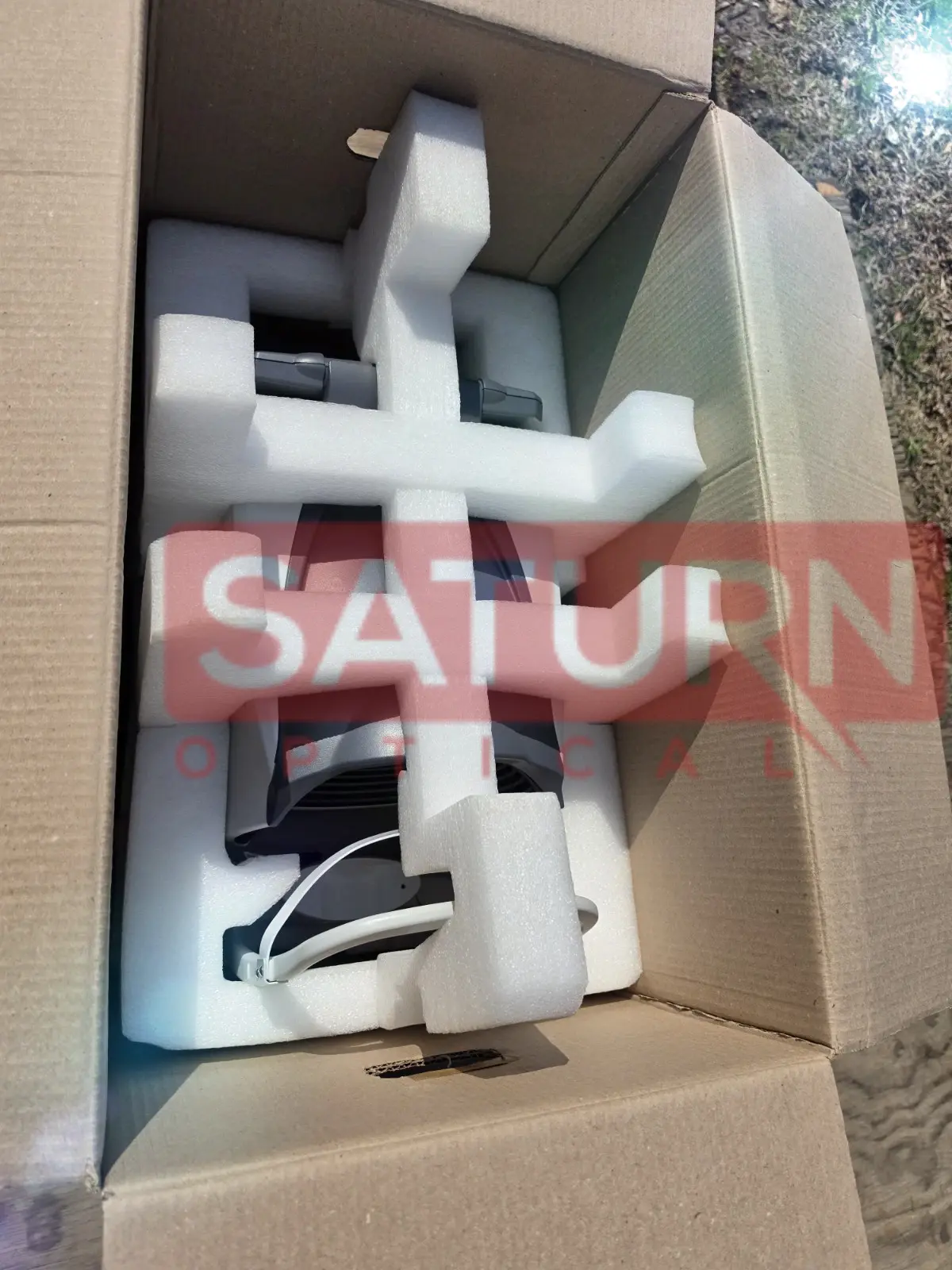
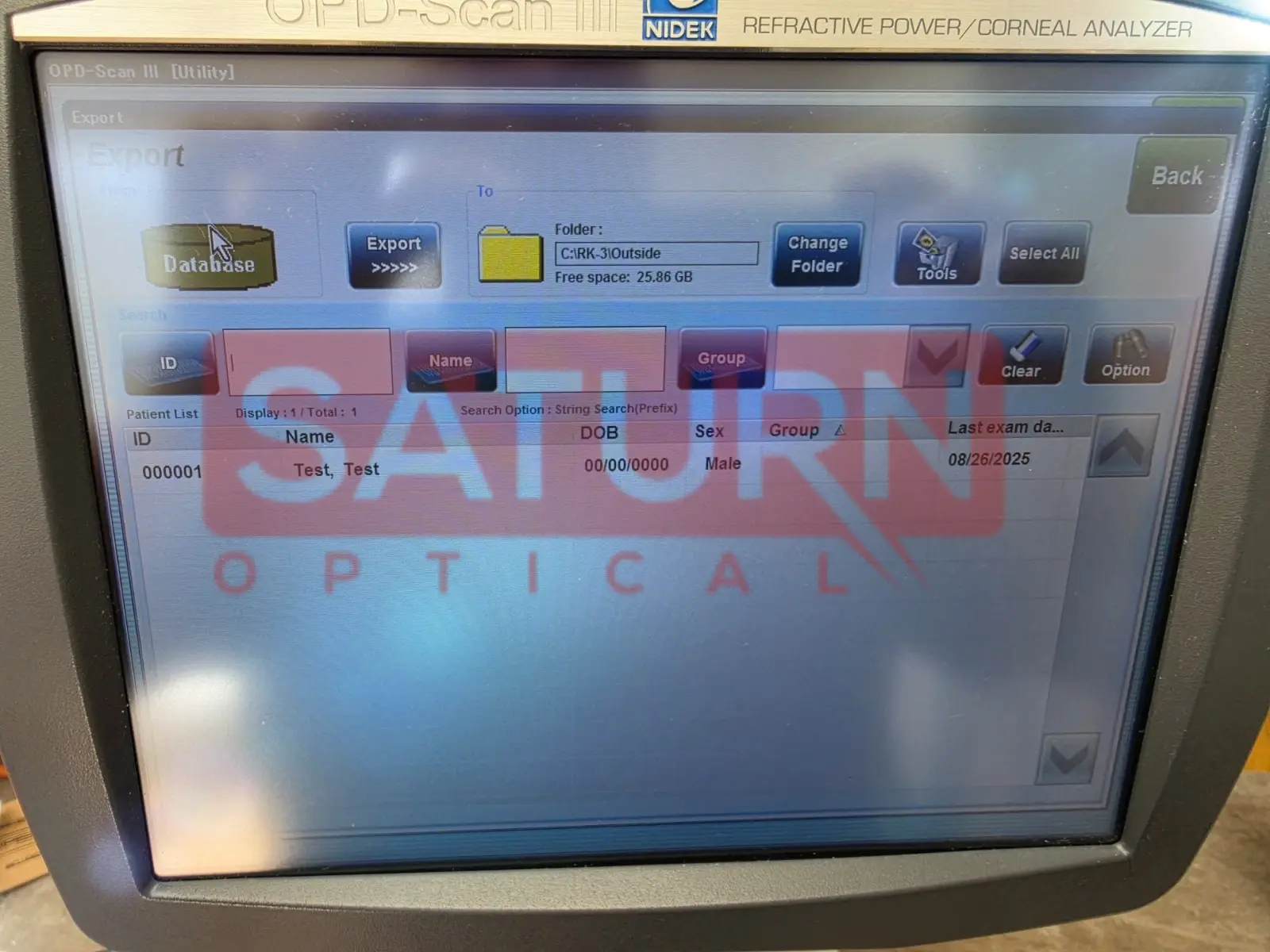
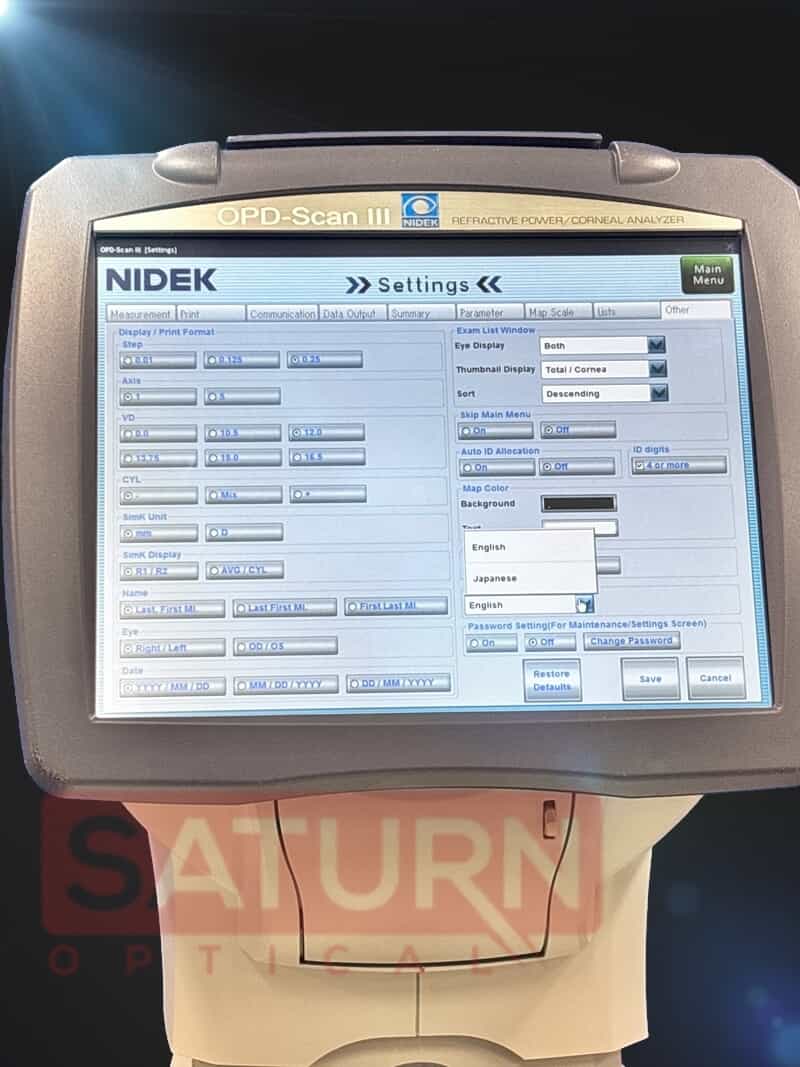
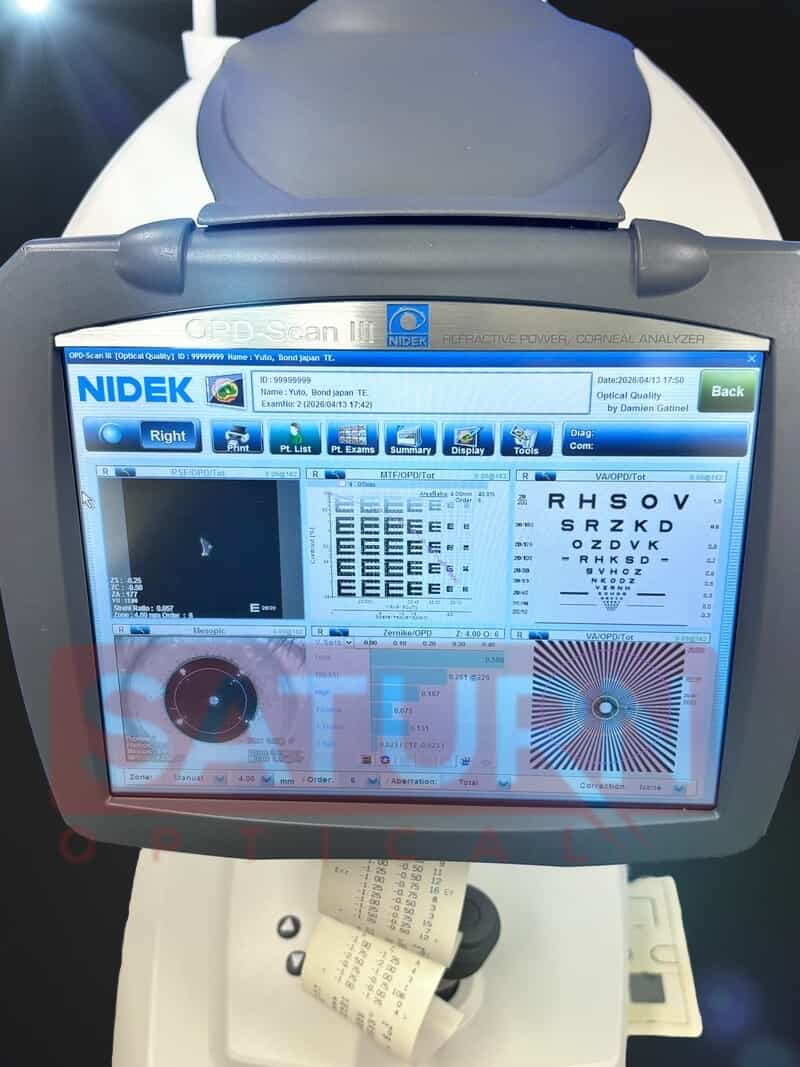
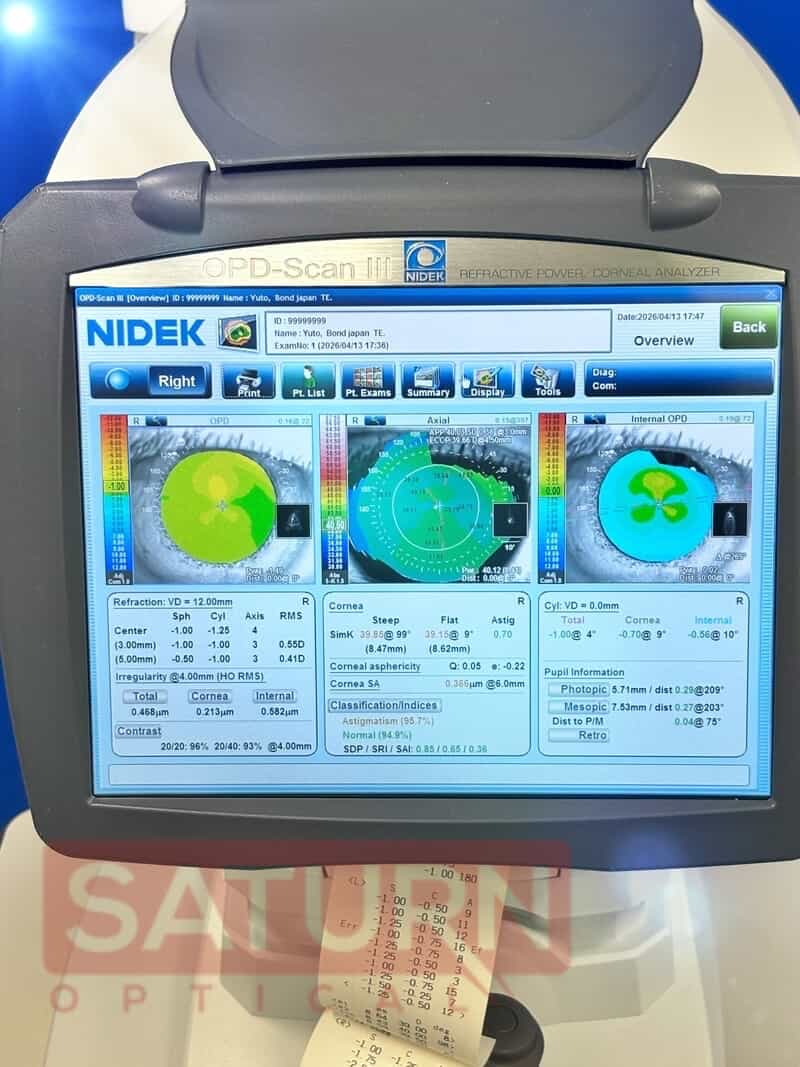
The NIDEK OPD-Scan III Refractive Power/Corneal Analyzer is a multifunction diagnostic platform designed to streamline pre-op and refractive evaluations by combining wavefront aberrometry, corneal topography, autorefraction/keratometry, and pupillometry into a single workflow.
In stock
Description
The Marco OPD-Scan III is an autorefractor, keratometer, pupillometer (up to 9.5 mm), corneal topographer, and integrated wavefront aberrometer. It can complete 20 diagnostic metrics in less than 10 seconds per eye (including angle kappa, angle alpha, HOAs, average pupil power, RMS value, and point spread function). Plus, easy and automatic alignment and data capture ensure accurate results.
Easy alignment and automatic capture of wavefront aberrometry data ensure accurate readings. Wavefront aberrometry data is gathered from available zones up to a 9.5 mm area, enabling the calculation of mesopic refractions. Blue light, 33-ring, Placido disc topography is acquired in 1 second. Mapping methods include OPD, visual acuity, corneal topography/topographer, and more.
Features:
- Auto alignment, tracking, and capture
- Detailed patient summaries
- 10.4” LCD touchscreen display
- Motorized chinrest
- Software to view results in your exam lane
- EMR/EHR integration
Capture over 20 diagnostic measurements in as little as 10 seconds. Plus, automatically capture retro illumination images that allow clear diagnosis of a decentered, rotated, or tilted IOL.
Measurements:
- Corneal SA for Aspheric IOL Selection
- Lenticular – Residual Astigmatism
- Angle Kappa/Angle Alpha
- Corneal coma for multifocal IOL qualification
- Pre/Post Toric IOL Measurements
- Pathologies (Keratoconus, Pellucid)
- Mesopic/Photopic Pupil Size
- Retro Illumination Image
- Zernike Graphs: Total, Cornea, Internal
- Corneal Refractive Power Map
IOL Applications
- APP – Average Pupil Power for post myopic LASIK calculations
- Angle Kappa, Angle Alpha
- Corneal aberrations including corneal coma and spherical aberration
- Pupillometry – photopic and mesopic pupils
- Corneal topography
- Placido Rings for detection of any ocular surface disease (OSD)
- Zernike graph of total, corneal, and internal aberrations
- White to white corneal diameter measurements
- Retro illumination – displays post-op Toric lens markings, opacities, etc.
- ECCP – Effective Central Corneal Power for IOL power calculation
- Toric IOL summary to mark axis pre-op
- Eye image can allow for marking the cornea based on landmarks
- Cataract summary displays the pertinent data together
- Point spread function graphs and VA simulation charts
Fast, Accurate Diagnostics
Over 20 diagnostic measurements are acquired in 10 seconds with the OPD-Scan III. Easy alignment and automatic capture of data ensures accurate readings. Wavefront data is gathered with 2,520 light vector data points from available zones up to a 9.5mm area, adding the capability to provide for calculation of mesopic refractions. Corneal topography is gathered across 11mm with 11,880 data point mapping. Blue light, 33 ring, placido disc topography is gathered in one second.
Data View Options
- Axial
- Gradient
- Instantaneous
- Numeric K display
- Numeric power display
- PSF (point spread function)
- Zernike graph (including corneal)
- Contact lens summary
- VA-ETDRS simulations
- Internal OPD
- Eye image
- Comparison maps
- Difference maps
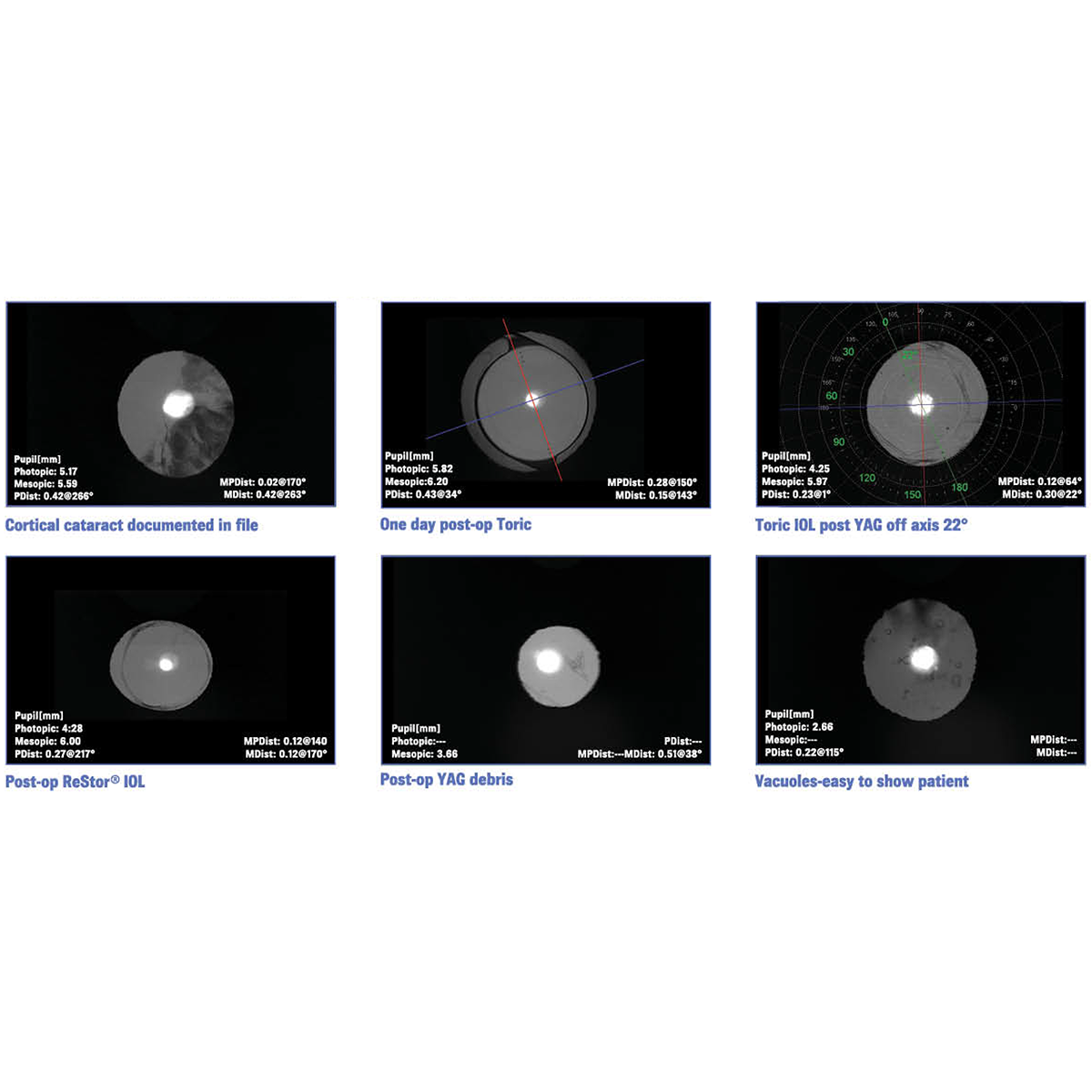
Unique Features for Cataract & Refractive Surgery
Detailed patient summaries are available in just seconds. Pre-op toric axis alignment can be mapped to iris or other physical landmark positions. Retroillumination images can be used post-op to verify IOL axis alignment.
Dysfunctional Lens Syndrome (DLS)
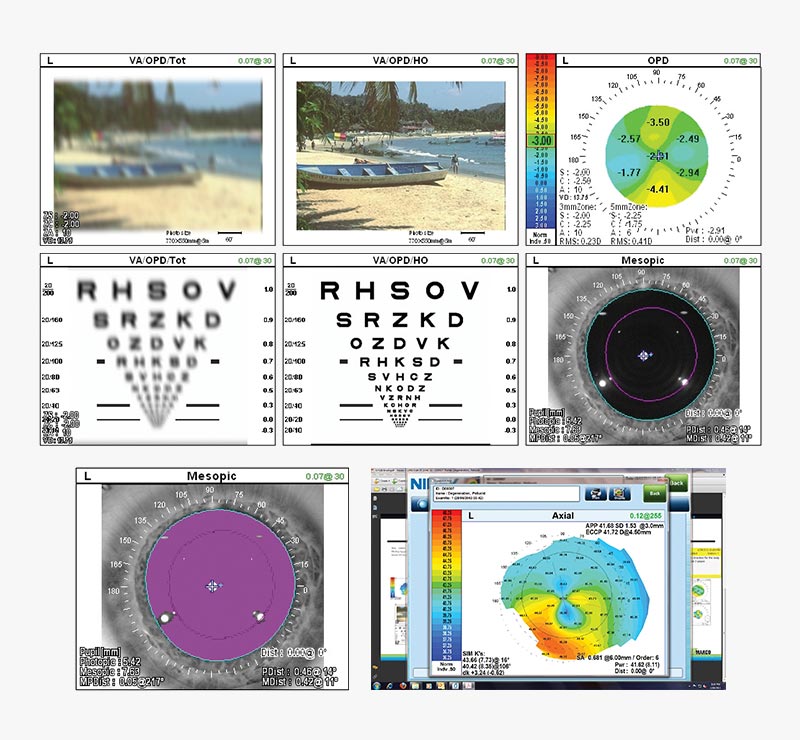
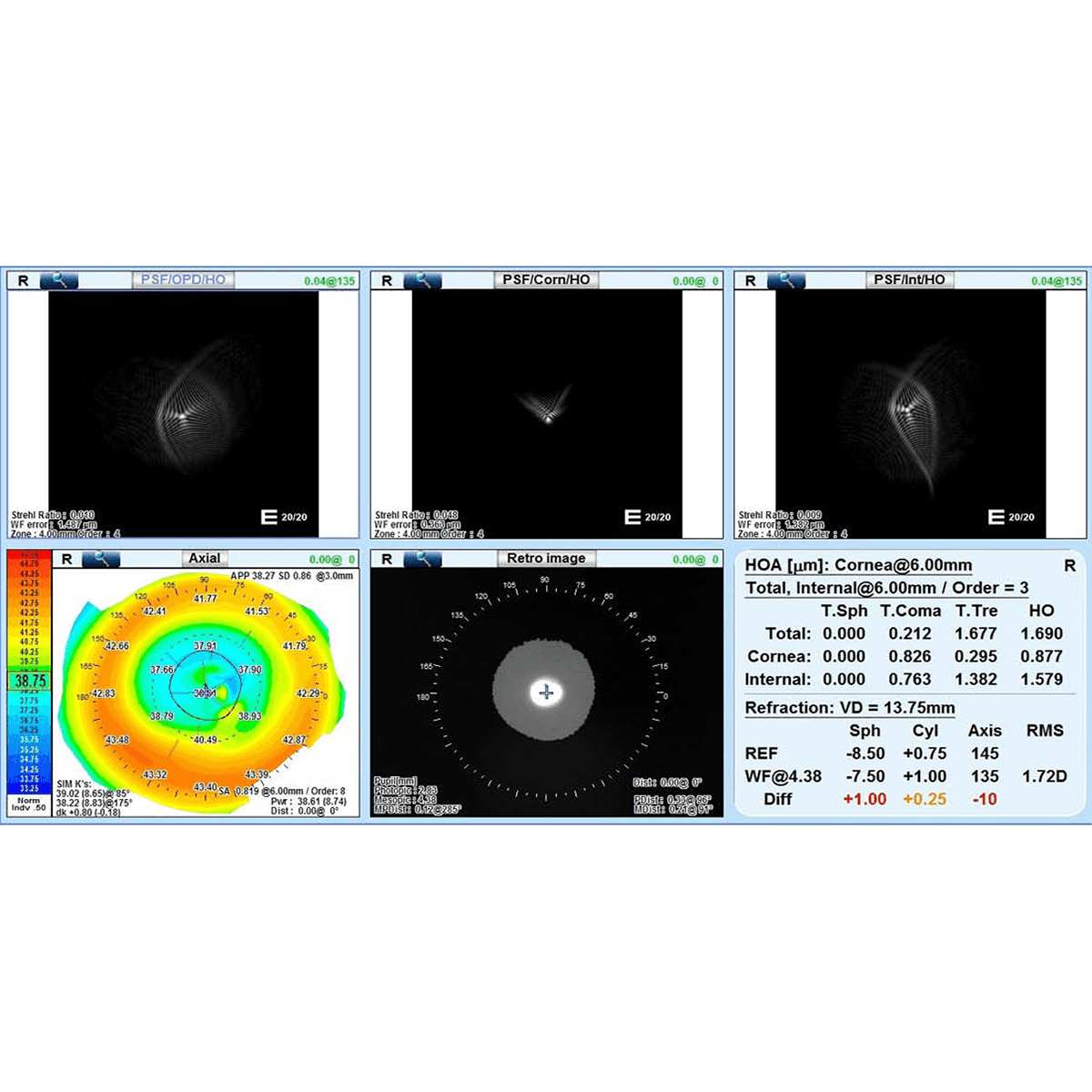
The map pictured is a measurement of a prior myopic LASIK patient with Dysfunctional Lens Syndrome (DLS). The Point Spread Function (PSF) maps show that the cornea contributes to the problem, but the majority of the patient’s issue is due to lenticular change. The patient thought she needed another LASIK treatment, when in actuality, the lens has changed. A refractive lens exchange is recommended.
Day/Night Wavefront Refractions
Pupillometry measurements are used to calculate separate wavefront refractions at the 4 mm and 6 mm zones (or mesopic if smaller than 6 mm). This provides information on the stability of the refractive error as pupil size changes, and the individual starting points for separate day and night refractions, if indicated. Your patients can receive a state-of-the-art printout of their ‘before’ and ‘after correction’ chart or understand why they are not able to achieve 20/20.
SPECIFICATIONS
| Power Mapping | |
|---|---|
| Spherical Power Range | -20.00 to +22.00 D |
| Cylindrical Power | 0.00 to ±12.00 D |
| Axis | 0 to 180° |
| Measurement Area | 2.0 to 9.5 mm (7 zone measurement) |
| Data Points | 2,520 points (7 x 360) |
| Measuring time | < 1.0 seconds |
| Measurement Method | Automated objective refraction (dynamic skiascopy) |
| Mapping Methods | OPD, Internal OPD, Wavefront maps, Zernike graph, PSF, MTF graph, Visual Acuity Corneal Topography |
| Measurement Rings | 33 vertical, 39 horizontal |
| Measurement Area | 0.5 to 11.0 mm (r = 7.9) |
| Dioptric Range | 33.75 to 67.5 D |
| Axis Range | 0 to 359˚ |
| Data Points | More than 11,880 |
| Mapping Methods | Axial, Instantaneous, “Refractive”, Elevation, Wavefront maps, Zernike graph, PSF, MTF graph, Visual Acuity General Information |
| Working Distance | 75 mm |
| Auto Tracking | X-Y-Z directions |
| Observation Area | 14 x 11 mm |
Reference
Only logged in customers who have purchased this product may leave a review.
 English
 Spanish
 German
 French
Reviews
There are no reviews yet.